Sereel: A Story of Beauty Between the Mountain and the Valley
Serhel, whose name in Syriac means “the high walls that embody dignity and antiquity,” is a village deeply rooted in history and heritage. Located in the heart of Northern Lebanon, within the Zgharta District, it rises between 600 and 750 meters above sea level, in a unique landscape where the majesty of the mountains meets the serenity of the valley. Its origins trace back to the Phoenician era, whose legacy remains visible in its land, traditions, and the collective memory of its people.
From this inherited heritage, Serhel built its journey through perseverance and resilience. Agriculture became both an economic and social foundation for the village, with fields flourishing in figs, olives, and wheat, turning its lands into a lasting symbol of generosity and abundance.
Amid this simple rural life, the villagers became skilled in reed weaving, a traditional craft that represented more than manual labor; it reflected the deep connection between people and their natural environment.
Thanks to its strategic location between the mountains and the coast, Serhel also became a vibrant commercial meeting point. Its old market evolved from a simple trading space into a gathering place visited by residents and neighboring villages alike, strengthening social ties and preserving a spirit of community. The market still stands today as a witness to the memory of the place and to a time remembered for its simplicity and authenticity.
Serhel also carries a profound spiritual dimension through its connection to the Holy Valley of Qadisha, the Valley of Saints. Ancient monasteries and churches stand as enduring testimonies to this rich spiritual heritage. It is said that Saint Rafqa spent a period of healing in the village under the care of Father Mikhail, the father of Father Youssef Abi Maroun Maatouk, a revered priest whose legacy of faith, devotion, and service continues to inspire generations. Today, Father Youssef Abi Maroun Maatouk is being considered for sainthood, further strengthening Serhel’s deep spiritual significance and religious heritage.
Beyond its local presence, Serhel’s people remained firmly attached to their homeland while emigrants helped spread its name across the world. This balance between roots and diaspora contributed to Lebanon’s openness to the outside world, particularly through the silk industry, which historically connected the mountain communities to broader economic and cultural horizons.
Today, the sons and daughters of Serhel can be found across the United States, Canada, Venezuela, and Australia, serving as ambassadors of their village and proudly carrying its identity wherever they go.
Thus, Serhel is not merely a village, but a human story that brings together resilience and openness, roots and expansion — an experience that reflects steadfastness in the face of change.
Perhaps the best expression of this spirit is captured in the title of Dr. Frederic Maatouk’s book: “The Courage of Life and the Strength of Faith,” a reflection of a life journey rooted in meaning, perseverance, and unwavering faith despite life’s challenges.









Municipal Productivity
Members
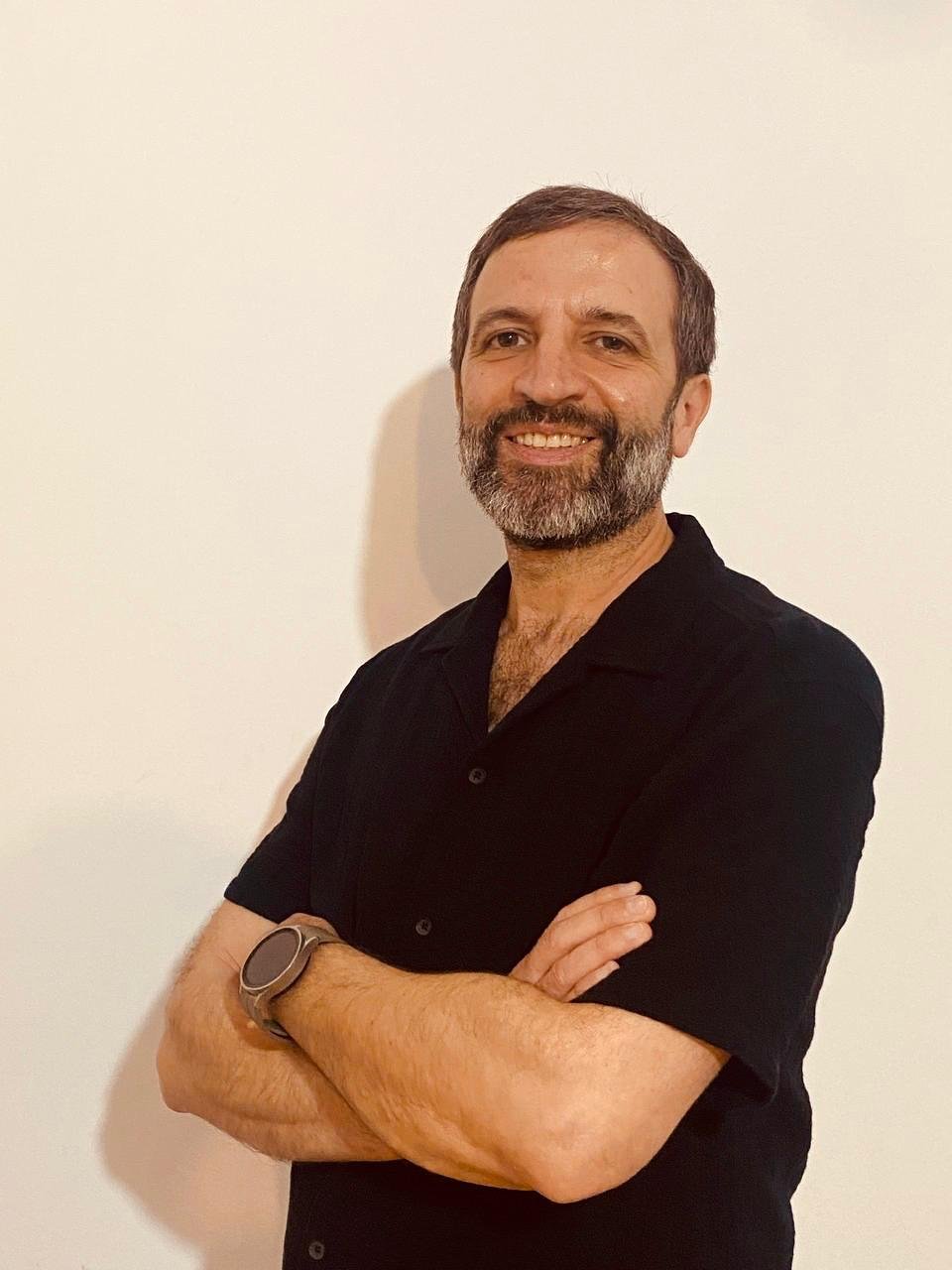
Dany Sarkis Sassine
President
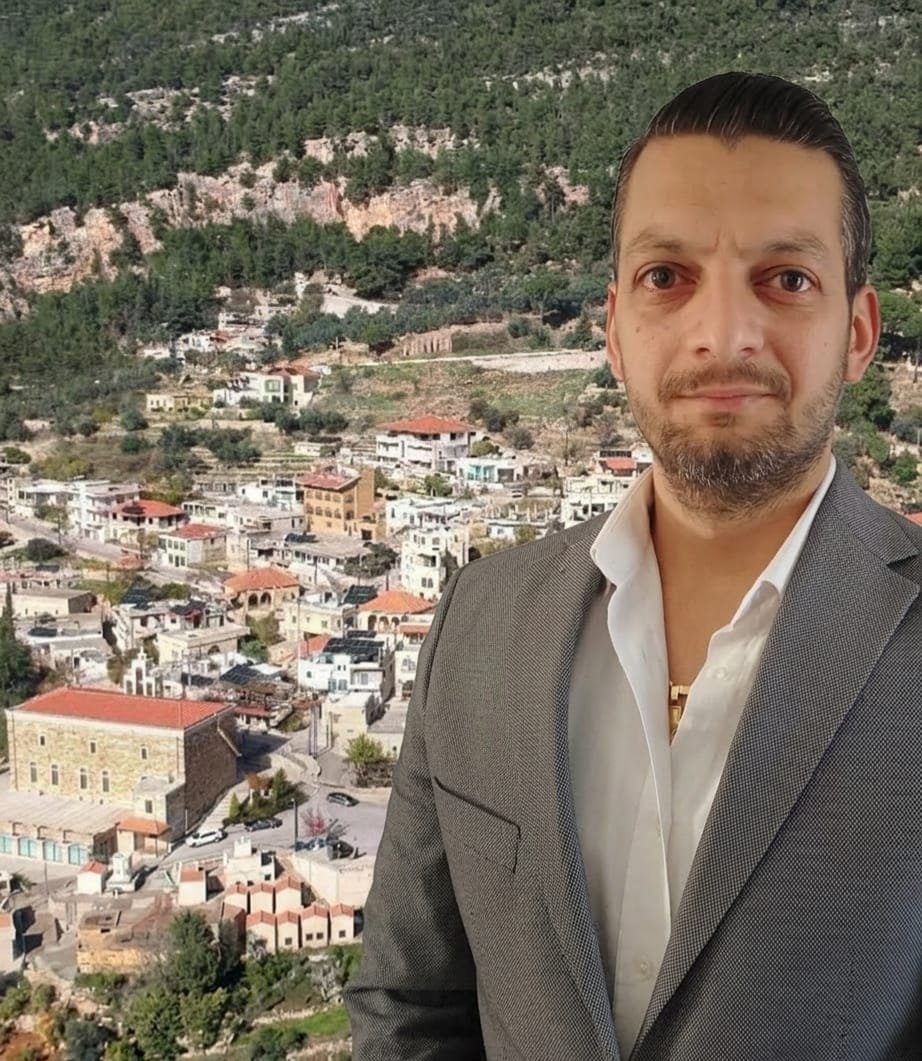
Marc Rene Mouawad
Vice-President
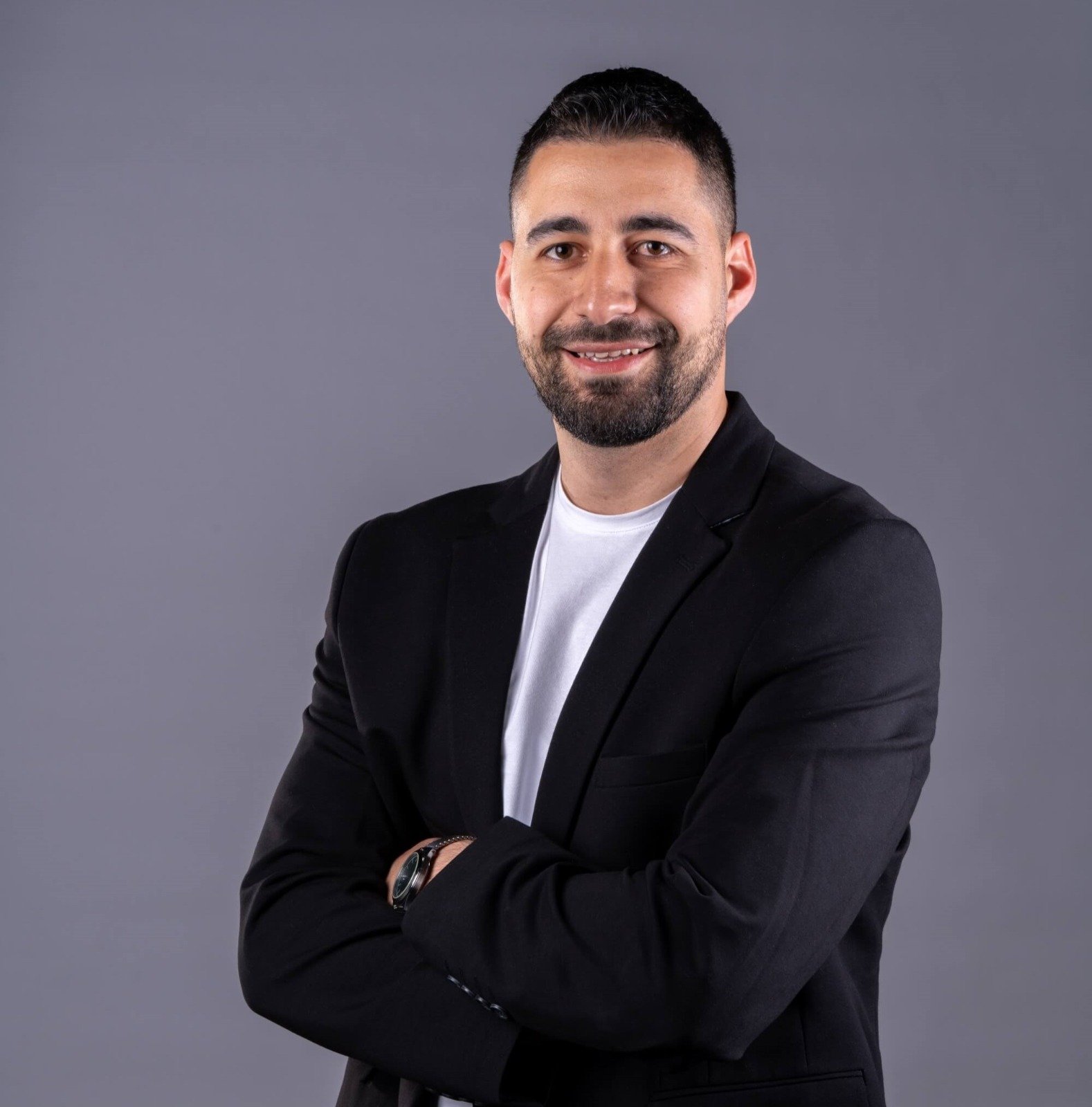
Anthony Charbel Semaan
Treasurer
.jpeg)
Maroun Antonios Rizk
Secretary
.jpeg)
Michael Youcef Jreij
Member
.jpeg)
Charbel Youcef Abi Mansour
Member
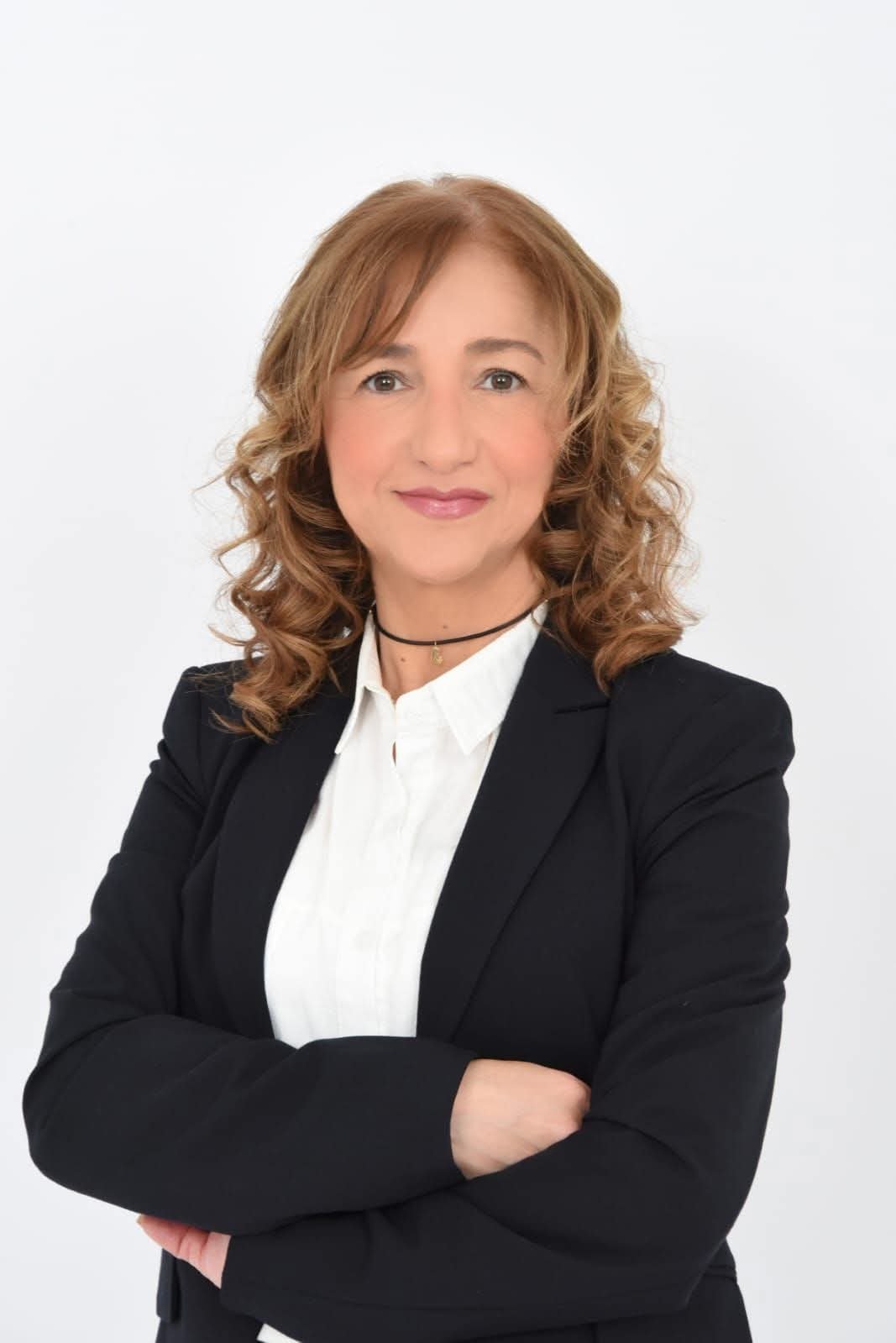
Najat Boutros Semaan
Member
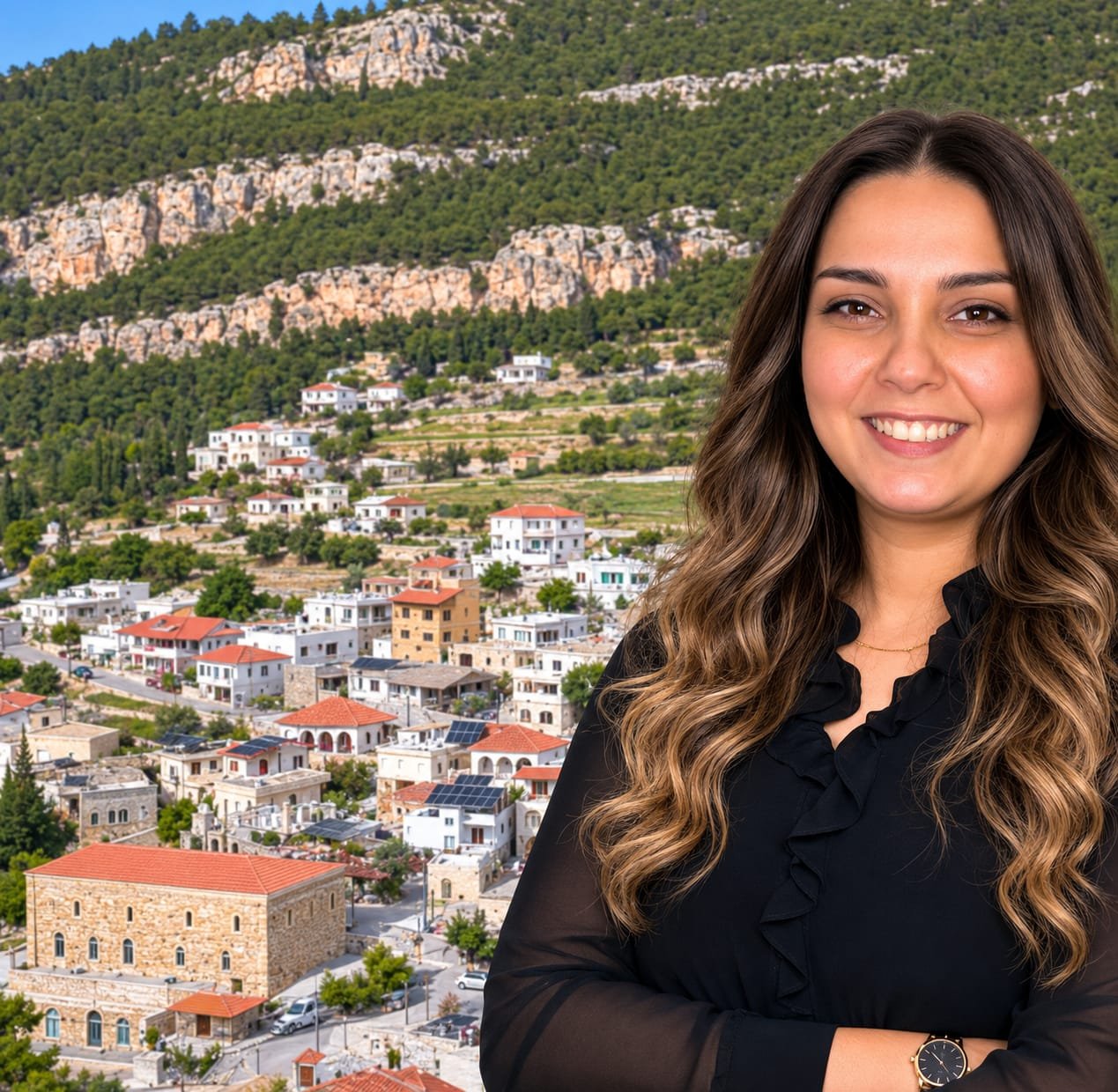
Josianne Charbel Bechara
Member
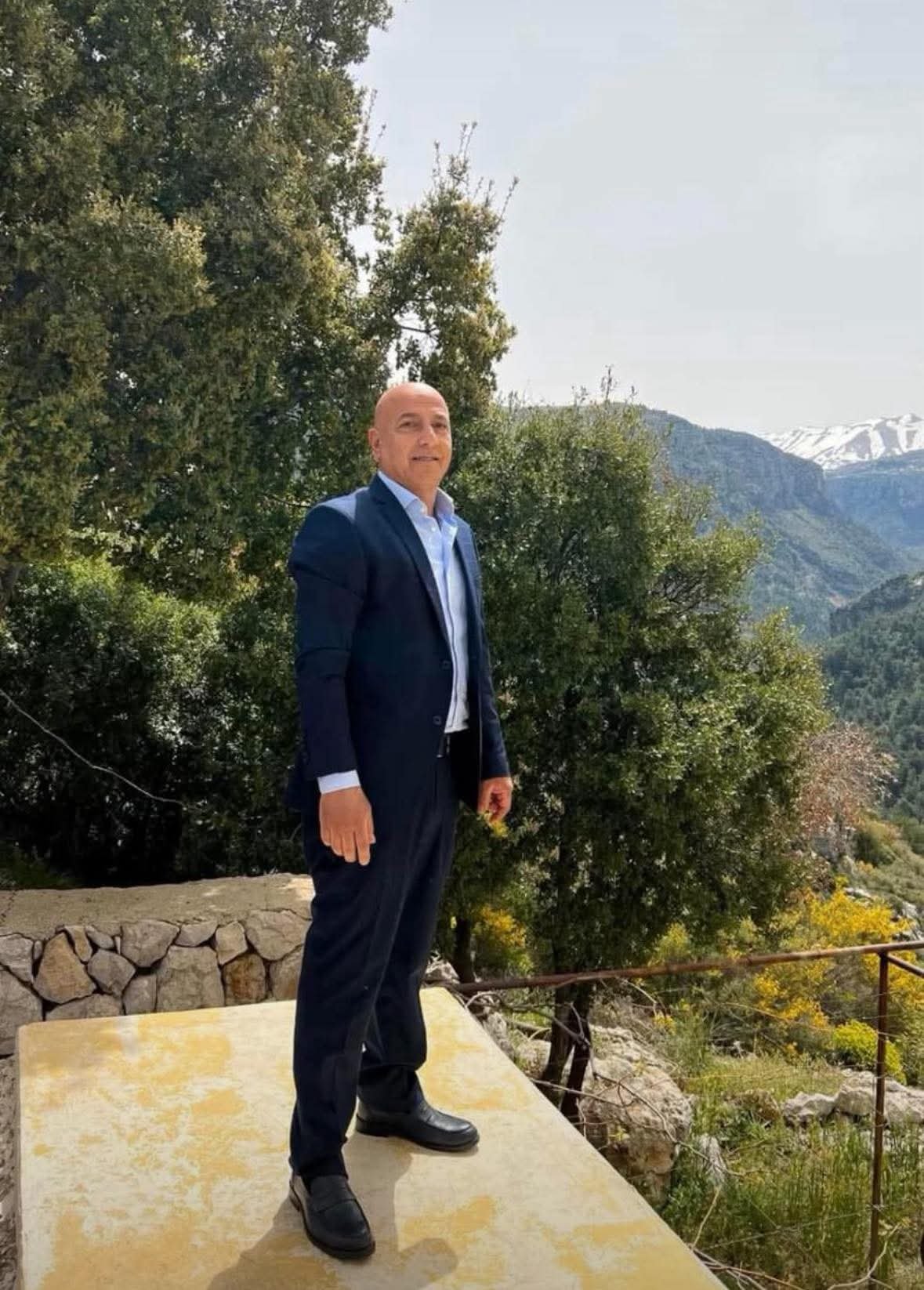
Tony Boutros Semaan
Mayor